Gamepad Embroidery Pattern PES DST
As an embroidery designer with years of experience in craft fair booths and handmade markets, I’ve learned to spot a design that stands out. The Gamepad Embroidery Pattern PES DST is one such piece. It’s a machine embroidery design that captures the nostalgia of classic gaming while offering modern versatility for a range of products. Whether you're crafting for a weekend market or building an online store, this design has potential—provided you know how to leverage it.
First Impressions: A Nostalgic Yet Modern Design
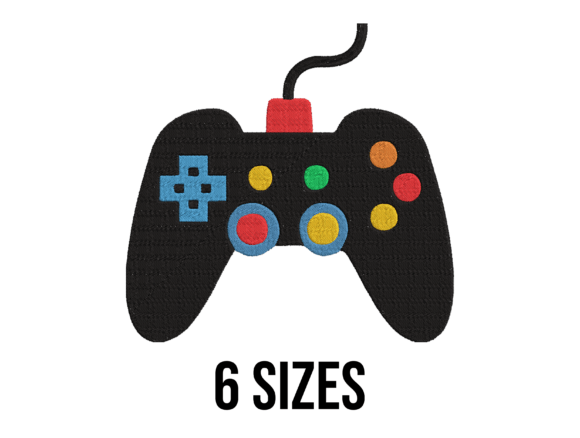
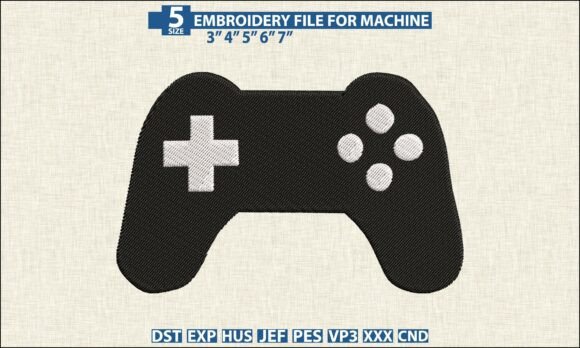
The Gamepad Embroidery Pattern PES DST exudes a retro vibe, but it’s not overly sentimental. It feels bold and eye-catching, perfect for gamer gifts and youth apparel. The silhouette of a classic video game controller is clean and recognizable, making it instantly appealing to both kids and adults. This design doesn’t feel too cute or too serious—it strikes a balance between fun and sophistication, which is key for a craft fair display.
Where the Gamepad Embroidery Pattern PES DST Shines
This design works well on a variety of craft fair products. On a tote bag design, it becomes a statement piece that draws attention. As an apron embroidery, it adds personality to kitchen wear without being overwhelming. For tea towel embroidery, it brings a playful touch to home decor. The Gamepad Embroidery Pattern PES DST also excels as an embroidered patch, ideal for caps, backpacks, and small pouches. Its simplicity makes it adaptable to different fabric textures and sizes.
- Tote bags: A focal point that sparks conversation
- Aprons: Adds a unique twist to functional wear
- Tea towels: Great for gaming-themed home goods
- Caps: Works well on curved surfaces with proper technique
- Patches: Easy to apply and visually striking
Practical Selling and Production Points
The Gamepad Embroidery Pattern PES DST is straightforward to understand at a glance. It doesn’t require complex stitching or intricate details, which makes it efficient for batch production. However, its success depends on how you scale it. At larger sizes, it remains clear and impactful, but at smaller scales, some details may fade. If you’re using it as a small accent, consider adjusting the size or adding complementary elements.
For Etsy sellers and small shop products, this design photographs well. It’s best to use high-contrast thread colors and ensure the background fabric complements the design. When creating printable mockups, test different fabric colors to show versatility. This helps customers visualize the final product before purchasing.
Careful-Use Notes: What to Watch For
While the Gamepad Embroidery Pattern PES DST is generally user-friendly, there are a few things to note. The stitch density is moderate, so it should work on most fabrics. However, if you’re working with thick materials like denim or textured towels, be sure to use the right stabilizer. Tiny details may not show up clearly on dark fabrics, so choose your color palette carefully.
When working on curved surfaces like caps, the design may stretch slightly. Test it on scrap fabric first. Also, make sure the hoop size matches the design dimensions to avoid misalignment. If you’re planning to sell commercially, confirm the commercial licensing terms before producing finished products.
Boosting Visual Appeal and Buyer Engagement
The Gamepad Embroidery Pattern PES DST adds value to any handmade product. It’s not just a design—it’s a conversation starter. At a craft fair, it can draw in gamers, nostalgic buyers, and even tech-savvy parents looking for unique gifts. Its visual appeal enhances the overall look of your booth, especially when displayed on items like pillow covers, market bags, and handmade gifts.
As a digital embroidery file, it’s easy to integrate into your workflow. Pair it with other design assets to create a cohesive collection. For commercial embroidery projects, it’s reliable and repeatable, making it a smart choice for bulk orders.
Embroidery Designer Tips for Success
Before finalizing your products, test the Gamepad Embroidery Pattern PES DST on different fabrics. Check the stitch density and adjust as needed. Use the right thread colors for contrast and visibility. Ensure the hoop size accommodates the design without distortion. Always use a suitable stabilizer, especially on delicate or textured materials.
Create at least one real mockup to see how it looks in person. Compare fabric colors to find the best match for your target audience. And don’t forget to review the licensing agreement if you plan to sell the finished product. These steps will help you maximize the potential of this machine embroidery design.