Creative Embroidery Lettering Review
As a designer with years of experience in machine embroidery, I’ve seen countless lettering designs come and go. But Creative Embroidery Lettering stands out for its versatility, clarity, and potential to elevate any project. Whether you're creating custom apparel, personalized gifts, or small business merchandise, this design offers a solid foundation for real-world use.
The First Impression
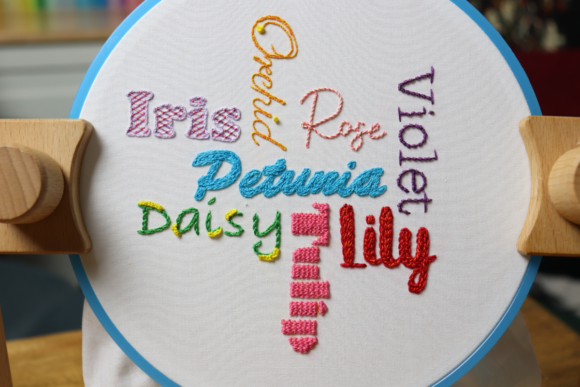
Creative Embroidery Lettering immediately conveys a sense of professionalism and refinement. The font choice is clean, modern, and highly legible, making it ideal for names, quotes, and phrases that need to be both stylish and readable. The layout feels balanced, with enough detail to add visual interest without becoming overwhelming. It’s the kind of design that can work across multiple mediums, from tote bags to baby clothes, without losing its impact.
This design seems to thrive on simplicity. It doesn’t try to be too ornate or complex, which is a smart move for embroidery. Too much detail can lead to stitching issues, especially on smaller projects or delicate fabrics. Creative Embroidery Lettering avoids that pitfall while still offering enough character to make a statement.
Real-World Performance
Testing Creative Embroidery Lettering on different fabrics and projects reveals its strengths. On cotton t-shirts and sweatshirts, it looks sharp and well-proportioned. The stitch density is just right—enough to hold up to wear but not so dense that it stiffens the fabric. For a custom apparel project, this design would be a reliable choice.
On tote bags and aprons, the design maintains its clarity even when stitched at larger sizes. The lettering doesn’t get lost in the bulk of the fabric, and the overall look remains polished. For a craft business or Etsy seller, this could be a valuable addition to your product lineup, especially for items like kitchen towels or holiday gifts.
When used on baby items, such as onesies or blankets, Creative Embroidery Lettering strikes the perfect balance between cute and professional. It’s not overly playful, which makes it more versatile for parents who want something timeless. The design also works well on embroidered patches, where the details stay crisp and clear.
Where to Use With Caution
While Creative Embroidery Lettering is generally reliable, there are situations where it might not perform as well. Small hoop sizes can be a challenge, especially if the design requires intricate details. In those cases, you may need to adjust the file or simplify the design to avoid stitching errors.
Textured fabrics, thin materials, or stretchy weaves can also affect how the design looks. If the fabric isn’t stable enough, the lettering might pucker or shift during stitching. A good stabilizer is essential here, especially for projects like caps or curved surfaces.
On dark fabrics, the thread color contrast becomes crucial. If the thread is too light, the lettering might not stand out as intended. Similarly, on layered garments or items that will be washed frequently, the design needs to be durable. Testing on scrap fabric before committing to a full project is always a good idea.
Impact on Visual Appeal and Value
Creative Embroidery Lettering adds a level of sophistication to any finished product. It enhances the visual appeal of handmade items, making them more attractive to buyers. For small shop products or Etsy listings, this design can help differentiate your offerings from generic options.
From a customer perspective, well-executed lettering builds trust. People often associate clean, professional embroidery with quality craftsmanship. This design supports that perception, which is important for brand consistency and repeat business.
It also plays a role in giftability. Personalized items with clear, elegant lettering are more likely to be cherished by recipients. Whether it's a holiday gift, a wedding present, or a custom item for a boutique, Creative Embroidery Lettering helps create something meaningful and memorable.
Practical Designer Notes
Before using Creative Embroidery Lettering in a project, always test it on scrap fabric. This helps you see how the stitches interact with the material and whether the design looks as expected. Checking thread color contrast is equally important—especially if you’re working with dark or patterned fabrics.
Review the stitch density to ensure it’s appropriate for the project. Too much density can cause stiffness, while too little might result in a weak appearance. Confirm the hoop size required for the design, and make sure it fits your embroidery machine’s capabilities.
Inspect small details closely. Even a minor flaw in the design can become noticeable once stitched. Test the design in black and white mockups to see how it reads without color. Compare it against both light and dark backgrounds to ensure visibility and contrast.
Use the proper stabilizer for the fabric type. This prevents puckering and ensures the design stays in place during stitching. Also, verify whether the design is suitable for both personal and commercial use. If you plan to sell finished items or digital products, check the licensing terms carefully.
Final Thoughts
Creative Embroidery Lettering is a strong choice for designers looking to add a professional touch to their work. It’s versatile enough to fit a wide range of projects, from custom apparel to personalized gifts. While it has some limitations in specific scenarios, its overall performance and aesthetic make it a valuable asset for any embroidery workflow.
For small business owners, Etsy sellers, and crafters, this design offers a practical solution for creating high-quality, visually appealing products. With careful consideration and testing, it can become a staple in your collection of machine embroidery designs.